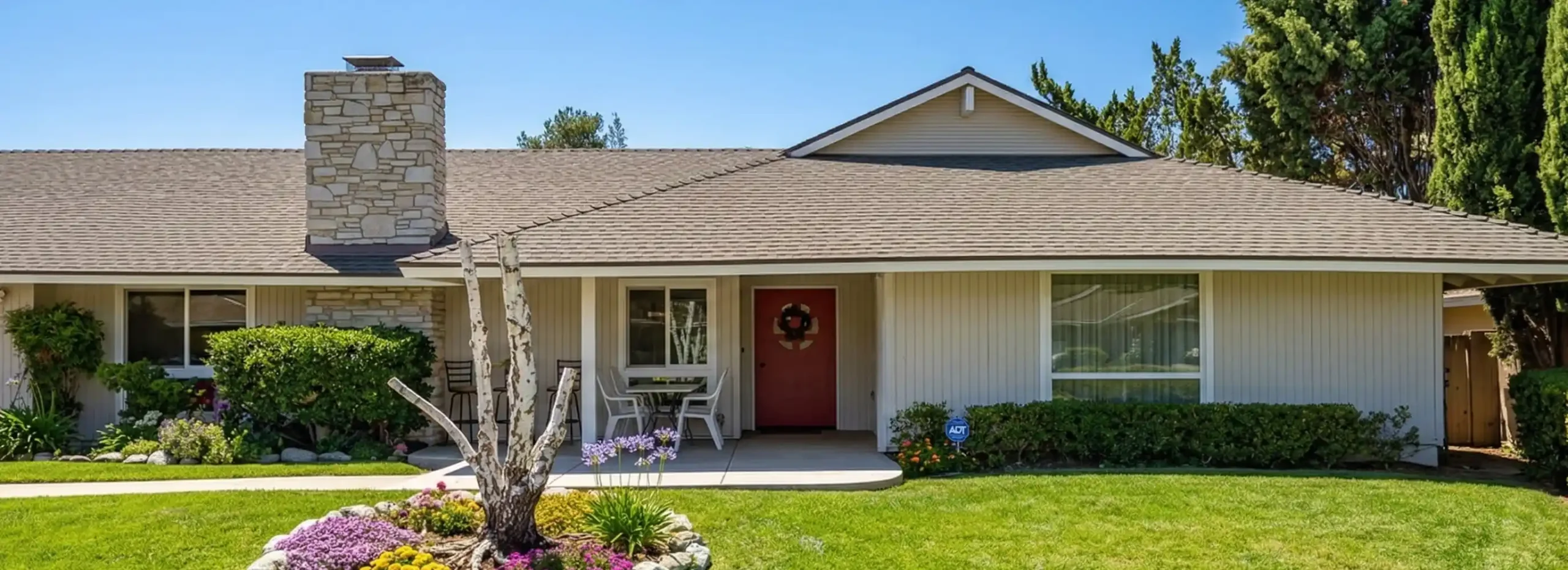
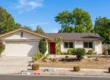
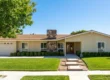
A Loving Heart Senior Care is a licensed six-bed residential care home in a quiet neighborhood at 28 Wales Street in Thousand Oaks, California. It offers daily support for older adults in a setting that feels more like a family home than a large facility.

Location and Neighborhood

The home is on a low-traffic residential street in ZIP code 91360 in Ventura County. Residents are surrounded by other single-family houses and familiar suburban views, which helps the environment feel calm and predictable.

Nearby, there are hospitals, clinics, and specialists within a short drive. This makes it easier to arrange outside appointments, imaging, or follow-ups when needed. Families visiting the home also have access to cafés, restaurants, and shops close by, which is convenient for outings and family time.

Licensing, Size, and Care Model

A Loving Heart Senior Care operates under California RCFE license #565801597 and is approved for up to six residents. It is part of the “board-and-care” / small assisted living category rather than a large senior living campus.

In practice this means:

  • Only six residents live in the home, so it stays quiet and personal.

  • Staff can get to know each resident’s routines, preferences, and health needs very well.

  • The home follows state rules for Residential Care Facilities for the Elderly, covering safety, staffing, and residents’ rights.

Care is supported by caregivers on-site around the clock, with clinical input and coordination from medical professionals as needed.

Care Team and Approach to Support

Families usually want to know who will be caring for their loved one day to day. At A Loving Heart Senior Care, the team is small and consistent rather than constantly changing.

Typical roles include:

  • An administrator or manager who oversees the home, care plans, and communication with families and doctors.

  • Direct caregivers who help with bathing, dressing, transfers, toileting, and medication reminders.

  • Clinical oversight from licensed professionals or partnering providers for residents with higher medical needs.

Because there are only six residents, the staff-to-resident ratio is more favorable than in many larger buildings. Small changes in appetite, mood, or mobility are easier to notice early. The care approach is calm, practical, and relationship-based, with a focus on clear communication.

Levels of Care and Health Services

A Loving Heart Senior Care is designed for older adults who need daily help but do not need a skilled nursing facility. The community provides:

  • Help with activities of daily living (ADLs): bathing, grooming, dressing, toileting, and transfers.

  • Medication management, including reminders and coordination with doctors and pharmacies.

  • Incontinence care and toileting support.

  • Support for chronic conditions, such as diabetes and heart disease, within the scope of residential care.

  • Non-ambulatory care for residents who use walkers or wheelchairs or need more physical assistance.

  • Memory support for residents living with Alzheimer’s disease or other types of dementia.

The home also works with outside physicians, home-health agencies, therapists, and other clinicians, so medical care can be coordinated around the resident’s daily life.

Safety, Accessibility, and Home Layout

Safety and ease of movement are key concerns for most families. A Loving Heart Senior Care is a traditional house that has been adapted for older adults.

Important features include:

  • Short distances between bedrooms, bathrooms, and the dining area.

  • Grab bars, non-slip surfaces, and accessible showers or bathtubs to reduce falls.

  • Minimal interior steps, which is important for residents using walkers or wheelchairs.

  • Night lighting in halls and bathrooms to help residents orient themselves at night.

  • Supervision and secure doors to protect residents who may wander because of memory loss.

These practical details help residents move around with more safety and dignity.

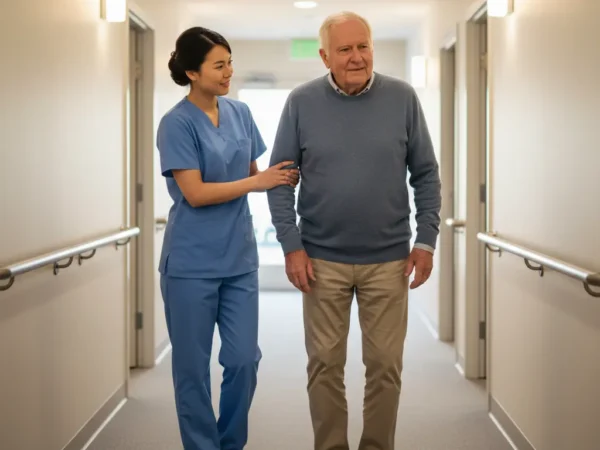
Caregiver gently supporting an older adult while walking down a hallway with handrails in a senior care home.
AI-generated image for illustrative purposes only.

Living Spaces and Everyday Environment

Residents live in private or shared bedrooms rather than long hotel-style corridors. This changes the feel of the home and often makes it less overwhelming.

Inside the house, families will usually see:

  • Bedrooms that can be furnished by the home or partly personalized with the resident’s own items.

  • A shared living room where residents can talk, relax, or watch TV.

  • A dining area where meals are served at regular times.

  • A backyard or patio where residents can enjoy fresh air when it is safe for them to do so.

The overall impression is homelike and low-stress, which can be especially helpful for residents with anxiety, frailty, or cognitive changes.

Bright private bedroom in a small senior care home with bed, armchair, bedside table and safety grab bar.
AI-generated image for illustrative purposes only.

Nutrition and Dining Experience

Food is a major part of comfort and health. A Loving Heart Senior Care offers home-style meals, with the ability to adjust for preferences and common medical diets.

In a small home this looks like:

  • Noticing quickly if someone starts eating less or refusing certain foods.

  • Adjusting food textures for residents with chewing or swallowing problems.

  • Taking into account conditions such as diabetes, heart disease, or low weight.

  • Providing snacks and drinks during the day, not only at main meals.

Families can ask to see sample menus and discuss any special diets or nutrition concerns during the admission process.

Lifestyle, Activities, and Emotional Well-Being

Residents need more than just physical care—they also need meaningful routines and human contact. A Loving Heart Senior Care focuses on simple, repeatable activities instead of a noisy, crowded program.

Typical activities may include:

  • Light morning stretches or movement, as tolerated.

  • Music, movies, and familiar TV shows.

  • Conversation, story-sharing, and one-on-one time for those who like quieter interaction.

  • Seasonal and holiday-based activities adjusted to residents’ abilities.

  • Time outside on a patio or in the yard when possible.

The small group size allows staff to slow down, repeat instructions, and adapt the pace to each resident.

Older couple relaxing in armchairs while a caregiver offers gentle support in a calm senior living lounge.
AI-generated image for illustrative purposes only.

Daily Life: A Sample Day in the Home

A typical day at A Loving Heart Senior Care might look like this:

Morning

Residents are helped to wake up, wash, dress, and take morning medications. Breakfast is served at the table, with help for anyone who needs cues or assistance. After breakfast, some residents rest, while others join light activities such as conversation or watching TV.

Midday and Afternoon

Lunch is served at about the same time each day to keep the schedule steady. After lunch, there may be music, a movie, games, or quiet time. On good days, residents may sit outdoors for a short while. Staff help with toileting, repositioning, and afternoon medications. Many family visits happen in this part of the day.

Evening

Dinner is followed by a calmer time with TV, reading, or simply sitting together. Staff assist with evening medications and getting ready for bed. At night, caregivers check on residents as needed to help with toileting, comfort, or repositioning.

The simple, predictable rhythm can reduce confusion and stress, especially for residents with dementia.

Memory Care and Support for Dementia

Many residents in small board-and-care homes live with some level of memory loss. A Loving Heart Senior Care is able to support residents with dementia or Alzheimer’s disease.

This usually includes:

  • Close supervision to reduce the risk of unsafe wandering or falls.

  • Clear, slow, and repeated communication instead of long or complex instructions.

  • Stable routines with the same caregivers and the same sequence of daily tasks.

  • Gentle redirection when residents are anxious, agitated, or confused.

  • Coordination with doctors if changes in behavior or condition suggest that medical review is needed.

Families should feel free to ask which behaviors the home can safely manage and which situations might require a higher level of care.

Doctor2me: Concierge House-Call Medical Support in Thousand Oaks

In-Home Medical Visits for A Loving Heart Senior Care

Doctor2me is a concierge coordination service that connects families with trusted physicians who provide house-call visits.

  • Doctor2me services are available within the service area of A Loving Heart Senior Care.

  • We act as a bridge between loved ones and local clinicians, helping to arrange medical support.

  • Care is provided in a familiar and comfortable setting, eliminating the stress of traveling to busy clinics.

Peace of Mind, Day or Night

This kind of backup is especially reassuring for extra peace of mind, particularly during evenings out, when non-urgent but worrying situations may arise.

Examples of Situations Where Doctor2me Can Help:

  • Mild dizziness after a long dinner, requiring a check for possible dehydration.

  • A painful arthritis flare after sitting for several hours, when advice on safe relief options is needed.

  • Noticing new, mild swelling in the legs, requiring a professional opinion even though it does not seem like an emergency.

Organized and Less Stressful Care

Families do not have to manage these situations alone. With Doctor2me available in the area, arranging a house-call visit becomes more organized and less stressful.

For extra peace of mind, save this number in your phone before going out: +1 866-362-1499 — just in case you ever need medical support close by.

Senior Placement Support in Ventura County

The Complexity of Finding the Right Fit

Not every family knows right away whether a small, six-bed home is the best fit. Many want to compare several options:

  • Various board-and-care homes.

  • Larger assisted living communities.

  • Memory care options in Thousand Oaks and the wider Ventura County area.

In these cases, a local senior placement advisor can significantly simplify the search.

Senior placement advisor discussing local care options with an adult daughter at a bright office table.
AI-generated image for illustrative purposes only.

Completely Senior LLC: Your Placement Partner

Completely Senior LLC is a Ventura County–based senior placement and advisory service that helps older adults and their families find appropriate settings:

  • Assisted Living

  • Memory Care

  • Independent Living

  • Board-and-Care settings

They focus on matching options based on:

  • Care needs

  • Budget

  • Preferred neighborhoods

Their services are typically offered at no direct cost to families.

An Informed Choice in Your Area

For families considering A Loving Heart Senior Care along with other local communities, working with a placement partner like Completely Senior can:

  • Provide a clearer picture of available options around ZIP code 91360.

  • Help you make a more confident and informed choice.

Who A Loving Heart Senior Care Is Best For

Taking into account its size, layout, and services, A Loving Heart Senior Care is usually a good option for:

  • Older adults who need daily help but do not require a skilled nursing facility.

  • People who feel calmer in a small, homelike setting rather than a large complex.

  • Residents with mobility problems, chronic illnesses, or mild-to-moderate dementia who benefit from close supervision and routine.

  • Families who want quick access to nearby hospitals, clinics, and house-call medical services.

It is less suitable for very independent older adults who are mainly seeking a resort-like lifestyle with many on-site amenities and a busy social calendar.

Move-In, Assessment, and Adjustment

Moving into a care home is a big decision. A Loving Heart Senior Care, like most RCFEs, usually follows a structured process:

Pre-admission assessment

A nurse or administrator reviews the person’s medical history, medications, mobility, memory, and support needs to confirm that the home can provide the right level of care.

Care plan

Based on this information, staff create a plan that covers personal care, medication routines, mobility aids, and daily preferences.

Adjustment period

During the first weeks, staff observe how the resident eats, sleeps, moves, and socializes, and they stay in close contact with the family to fine-tune the plan. Families are encouraged to bring personal items—such as photos, favorite bedding, or small decorations—to make the room feel familiar.

How Families Can Evaluate This Community

When a family is thinking about A Loving Heart Senior Care, it helps to:

  • Visit the home at different times of day to see real routines.

  • Watch how staff speak to residents and how residents respond.

  • Ask about fall prevention, nighttime supervision, and how the team handles non-urgent medical issues.

  • Review recent state licensing reports and ask the administrator about any past problems and how they were addressed.

  • Clarify how house-call doctors, mobile diagnostics, home-health, hospice, and senior placement partners are coordinated if needed.

When these points match the family’s expectations, A Loving Heart Senior Care can become not just a safe place to live, but a steady, supportive environment where an older adult can receive care and stay connected to both medical support and family life.

Leave a Reply

Your email address will not be published. Required fields are marked *

Post comment