

History and Architecture
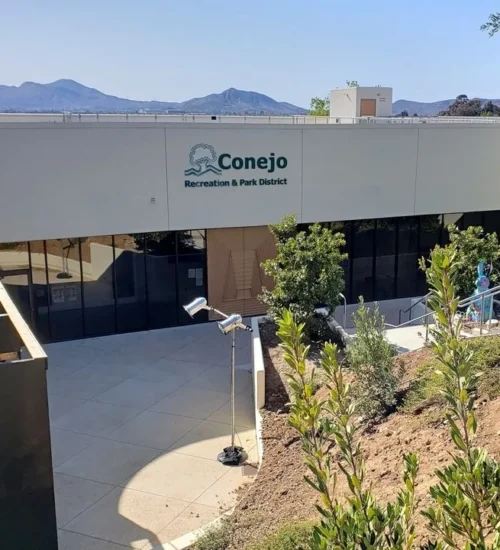
On a quiet hill above Thousand Oaks stands the Hillcrest Center for the Arts. It looks modest — pale walls, clean lines, glass doors. Yet the moment you step inside, the air changes.
Voices echo from rehearsal rooms. Somewhere down the hall, a piano plays softly. The center opened in the 1980s when locals decided the city needed a real home for art. They were right — it quickly became that home.
The Atmosphere and Local Connection
Hillcrest doesn’t feel like an institution. It feels like a neighborhood space — open, simple, alive.
From the top of the hill, you can see the city stretch below, framed by sunlight and eucalyptus trees. On weekends, families and students walk up the slope together. Someone carries flowers; someone laughs at a forgotten line from a play.
The theater belongs to everyone here — a small hill that gathers the community at dusk.
Repertoire
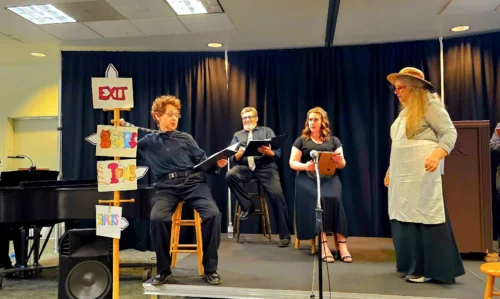
The stage never stays still. One week it’s a fairy tale, the next — a quiet play about memory or loss. Local actors bring warmth to each story. Their performances aren’t about polish — they’re about truth and connection.
Recent and upcoming shows:
- Disney’s Beauty and the Beast
- The Hobbit
- The Secret Garden
- Family Theatre Season by Young Artists Ensemble
Sometimes children perform for their grandparents. Sometimes older actors return after years away. Each night feels different, yet familiar — like catching up with an old friend.
Comfort for Visitors
Reaching Hillcrest is already part of the evening. You climb the hill, park under the trees, and step toward the glass doors glowing in soft light.
Inside, there’s a small café, a gallery with local art, wide halls, and an elevator that makes every floor accessible. The space feels open and calm, with just enough buzz to remind you something special is about to begin.
Parking
right by the entrance
Café
coffee, tea, small bites
Elevator
No rush, no noise. People linger, talk, browse the art before the curtain rises. The calm feels genuine — the kind that invites you to slow down.
Medical Readiness
Even in a theater, it matters to feel safe. If someone feels unwell, help is nearby.
Visitors can request a doctor for a quick checkup or consultation without leaving the building or going to urgent care. The service is independent and available to everyone — a quiet reassurance that makes the evening worry-free.
Collaboration with Local Care Services
Hillcrest welcomes people of all ages, including older adults from nearby neighborhoods. Staff know how to act fast if help is needed.
This readiness adds an invisible layer of comfort — medical care for travelers who want to enjoy culture without concern.
Reviews
Visitors often stay after the show, chatting in the lobby. One woman said, “It’s small, but every seat feels like the best seat.” Another noted that the staff remember her name each time she returns.
Sometimes actors join the audience for a laugh before leaving. The connection between stage and people is simple, warm, human.
Locals say the Hillcrest Center isn’t just a venue. It’s a rhythm in their week — a place where art feels close and alive.