This article provides general information for educational purposes and is not a substitute for professional medical advice, diagnosis, or treatment.
A senior moving into a California RCFE arrives with a finished LIC 602 in hand or the home cannot accept them. For families navigating a parent’s cognitive decline, scheduling a clinic visit for the exam is often one task too many on an already full list. Doctor2me delivers the physician evaluation and LIC 602 paperwork at home, letting the medical baseline get done while the family handles everything else.
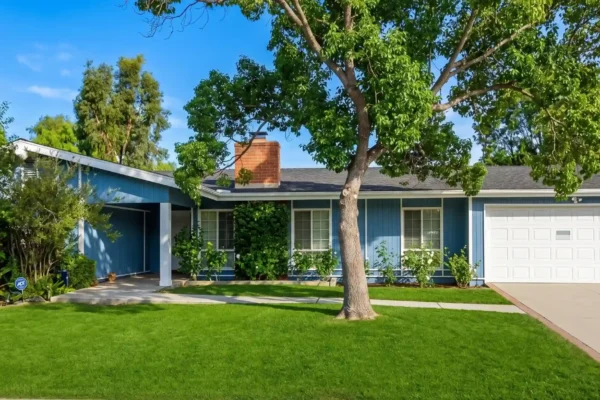
Omnicare II is a 6-bed memory care and assisted living home at 154 Thames Street in Thousand Oaks, California, Ventura County.
The home is one of at least three locations in the Omnicare network of small memory care residences in Thousand Oaks – alongside Omnicare on Camino La Maida and Omnicare III on Suffolk Avenue. All three operate as small board and care RCFEs with a memory care focus and shared design philosophy: keep the resident count low, make the environment feel like a home, and build the daily routine around residents with dementia.
The CDSS license number is 565801460, and Kinga Kazdron is the administrator.
Facility Snapshot
| Detail | Value |
| Address | 154 Thames Street, Thousand Oaks, CA 91360 |
| County | Ventura |
| Licensed Capacity | 6 residents |
| License Number | 565801460 (CDSS) |
| Administrator | Kinga Kazdron |
| Facility Type | Residential Care for the Elderly (RCFE) / Board and Care |
| Specialization | Memory Care (Alzheimer’s & Dementia) |
| Room Configuration | 6 secured units, shared and private |
| Network | Omnicare (Thousand Oaks – three locations) |
| Pet Policy | Pet-friendly |
| Phone | (805) 338-2345 |
What Type of Facility Is Omnicare II?
Omnicare II is a six-bed residential care home – the smallest licensed category of RCFE in California, operating from a single-family residence rather than an institutional building. The home is specifically configured for memory care: six secured units, exit monitoring to prevent wandering, and staff trained in dementia care.
For families choosing between a six-bed home and a 60-bed memory care campus, the trade-offs are concrete. A small home offers a daily routine that one team can hold consistent. Each resident is known by name, behavioural patterns, medication schedule, and family circumstances within the first week. A large memory care campus offers more programming, more amenities, and a larger care team, but the depth of relationship that small-home staff develop with each resident is hard to match at scale.
What Services Does Omnicare II Provide?
Daily Care
- Assistance with bathing, dressing, transfers, and mobility
- Medication management and administration
- 24-hour supervision and supervised care
- Meal preparation and service, including diabetes diet management and dietary restrictions
- Help with hygiene and incontinence care
Memory Care Specifics
- Secured entrances and exits to prevent wandering
- Dementia-trained nurses on staff
- Activities tailored to residents with cognitive change
- Homey design that supports orientation and familiarity
- Access to physical and speech therapy services
Living Environment
- Shared and private suite options
- Pet-friendly community
- Lovely walking paths and a garden on the property
- Scheduled daily events including movie nights
- Community-sponsored activities
Practical Services
- Transportation arrangement for medical appointments
- Housekeeping and linen services
- Move-in coordination
- Maintenance throughout the property
How Does Memory Care Work in a Six-Bed Home?
A larger memory care facility uses locked units, color-coded hallways, and signage to compensate for the building’s complexity. A six-bed home solves a lot of those problems by being small. Residents can hold the entire layout in mind. They recognize the staff – there are typically one or two caregivers per shift, not a rotation among dozens of staff across multiple wings.
The clinical implications matter. Behavioural changes that signal medication side effects, the start of an infection, or progression in cognitive decline get noticed faster when caregivers know each resident’s normal baseline. Sundowning patterns, agitation triggers, and sleep changes get caught and adjusted for in real time rather than at shift handoffs.
Omnicare II’s six secured units with shared and private options mean residents can have either privacy or company depending on what works for them. For some residents in moderate dementia, a shared room with a familiar roommate is reassuring; for others, private space is essential.
How Is On-Site Medical Care Arranged for Residents?
Routine Physician Visits at the Home
Doctor2me physicians visit residents directly at the home for routine checkups, chronic condition follow-ups, and urgent issues that don’t warrant an ER trip. Same-day or scheduled visits cover primary care, alongside the periodic LIC 602 updates and physician reports that licensed care homes require.
For residents in dementia care, in-home physician visits matter more than for the general population. A clinic visit is disorienting for someone with cognitive change, and the agitation it causes can last days. A familiar caregiver bringing the physician into the resident’s room avoids that disruption entirely. Families can choose a specific physician from the Doctor2me network of providers when the resident has had a long-term relationship with a doctor they trust.
Transportation for Outside Appointments
Some appointments still require travel – specialist consultations, imaging studies, hospital admissions or discharges, dental care. For residents with limited mobility or in advanced dementia, regular taxis and rideshare aren’t practical or safe.
MediZoom Transportation, a veteran-owned non-emergency medical transportation service serving all of Ventura County and surrounding areas, handles this category with gurney, wheelchair, and ambulatory vehicles, door-through-door service, and CPR/First Aid certified drivers. For routine specialty trips that the home cannot accommodate – dialysis, infusion therapy, follow-ups with surgeons – MediZoom is set up specifically for medical destinations rather than general rideshare needs.
What Happens When Care Needs Progress to End-of-Life?
Memory care residents typically remain in place as their condition progresses, including through end-of-life stages. Hospice care can be delivered directly at the small RCFE, meaning the resident stays in familiar surroundings during a difficult time rather than being transferred to an inpatient hospice facility.
Westlake Village Hospice, Inc. is a Medicare-certified hospice agency located minutes from Thousand Oaks, serving Ventura, Los Angeles, and Orange Counties. The agency provides all four levels of Medicare-mandated hospice care: routine home visits, continuous home care during acute symptom crises, respite care for the small-home staff during intensive periods, and general inpatient care when complex symptom management is needed. For Omnicare II’s six residents, having a hospice partner close to the property makes the in-home model of end-of-life care fully workable.
What About Fall Safety – For Spouses Staying at Home?
A common pattern with memory care placements: one spouse moves into Omnicare II, the other stays in the family home. That spouse who stayed home often has their own mobility concerns – the household used to have two people watching out for each other, and now there’s just one.
Fall prevention in the existing home becomes much more important than it was before. Stairs without rails, bathrooms without grab bars, slippery thresholds, poor lighting – these are the conditions where most senior falls happen. Call Before You Fall, based in Agoura Hills with a Tarzana office, is a family-run California-licensed General Contractor (Class B and C11) specializing in mobility safety installations: stairlifts, ramps, grab bars, ceiling lifts, patient lift systems, and automatic door openers. Their assessments are free and coordinated with doctors, therapists, and discharge planners. For families managing both the resident at Omnicare II and the spouse at home, getting the home modifications done early prevents the second crisis that often arrives a few months after the first.
Where Is Omnicare II Located?
Thames Street is in central Thousand Oaks, in a quiet residential neighborhood. The setting is walkable and well-served by everyday amenities – CVS Pharmacy is within a mile of the home, and other retail, dining, and grocery options are nearby.
Los Robles Hospital and Medical Center is roughly two miles from the property. The Los Robles Hospital Cancer Center is within similarly close distance. The CDSS Community Care Licensing Division handles regional inspections of RCFEs through its Ventura Regional Office under Title 22 of the California Code of Regulations.
Families based in Thousand Oaks, Newbury Park, Westlake Village, Camarillo, Agoura Hills, Simi Valley, or Calabasas find the home within easy visiting distance.