This article provides general information for educational purposes and is not a substitute for professional medical advice, diagnosis, or treatment.
For families moving a parent into a small board-and-care home where there’s no dedicated transportation fleet, getting the senior to a doctor’s office for the California Physician’s Report can be an extra logistical step before move-in. Doctor2me physicians can go to the senior’s home for the Physician’s Report, so the medical requirement doesn’t require coordinating transportation during the busy transition period.
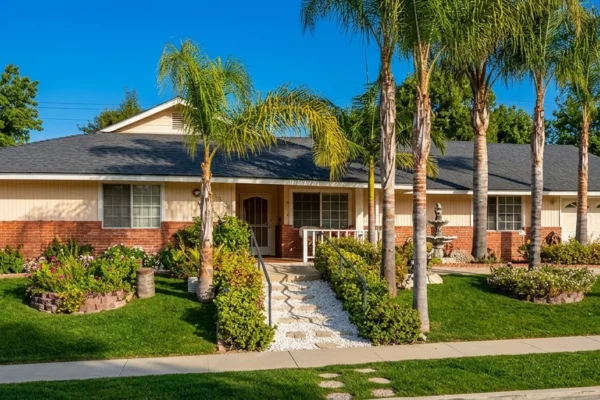
Madelaine Place, Inc. is a six-bed board-and-care home at 51 Doone Street in Thousand Oaks, California – in Ventura County’s Conejo Valley region. The community operates under CDSS license 565801132. The setting is a residential home in the 91360 ZIP code area of Thousand Oaks, with care for up to six seniors at a time, individualized care plans, and a specific clinical focus on diabetes management alongside the standard assisted living care package.
Community Snapshot
| Detail | Value |
| Address | 51 Doone Street, Thousand Oaks, CA 91360 |
| County | Ventura |
| Licensed Capacity | 6 residents |
| License Number | 565801132 (CDSS) |
| Facility Type | Residential Care for the Elderly (RCFE) – Board-and-Care Home |
| Care Types | Assisted Living, Diabetes Care |
| Care Model | Individualized care plans, 24-hour staffing |
| Languages | English |
A Six-Bed Board-and-Care Home on Doone Street
Madelaine Place is one of two licensed board-and-care homes on Doone Street – a quiet residential pocket of Thousand Oaks. Maica Place sits at 67 Doone Street, a short walk down the same street. The two homes share the same neighborhood character: residential, walkable, with park access and the suburban Conejo Valley setting that distinguishes Thousand Oaks from denser urban environments.
The board-and-care format places Madelaine Place in a different category from larger 30+ bed assisted living communities. With up to six residents at any time, the practical experience is closer to living in a household with a small number of others than to an institutional setting. Staff know each resident’s preferences, routines, and care needs in detail – information that’s harder to maintain in larger communities.
What Daily Life Looks Like Here
- Healthy meals prepared on-site
- Laundry and housekeeping included in the daily care package
- Personal care assistance with bathing, dressing, mobility, and other Activities of Daily Living
- Medication management handled by trained staff
- 24-hour staffing so residents can request assistance whenever needed
- Emergency call system in each apartment
- On-call nursing available for clinical questions outside scheduled care
- Individualized care plans that adjust as the resident’s needs change over time
The aging-in-place model means a resident who arrives needing limited support can stay as their care needs grow, rather than relocating to a different community as the disease progresses.
The Diabetes Care Specialty
- Blood glucose monitoring on a schedule appropriate for each resident
- Insulin administration as ordered by the resident’s physician
- Dietary support for residents on diabetic diets
- Close coordination with each resident’s physician to keep treatment plans current
For families considering placement for a parent with diabetes, especially one whose condition has been challenging to manage independently, the diabetes-specific care capability is worth noting. Many small board-and-care homes decline residents with insulin-dependent diabetes due to the clinical complexity; Madelaine Place explicitly accepts and manages these residents.
The Park, the Backyard, and the BBQ Area
The BBQ area in particular is unusual for a six-bed board-and-care home. Many small communities don’t have outdoor cooking infrastructure at all; having one means family visits can include outdoor meals during good weather, and the community can host occasional cookouts as part of social programming.
How Medical Transportation Helps Small Board-and-Care Residents
The drivers are CPR/first-aid/AED certified, with background and drug screening, and the service accommodates a companion at no additional cost – useful when a family member wants to accompany the resident to an appointment.
How Hospice Coordination Works in the Conejo Valley
Westlake Village Hospice, Inc. is a Medicare-certified hospice agency serving the Conejo Valley and broader Ventura County. The agency provides all four Medicare-mandated levels of hospice care: routine home visits, continuous home care during acute symptom crises, scheduled respite care, and general inpatient care for complex symptom management. For families navigating end-of-life decisions, having a Medicare-certified hospice partner familiar with the Conejo Valley region matters – the agency understands the local clinical and family-support landscape and coordinates routinely with small board-and-care homes like Madelaine Place.
How Routine Medical Care Is Coordinated
Visiting Madelaine Place
For tour scheduling, availability, and care assessments – particularly conversations about specific care needs like diabetes management, mobility support, or progressive cognitive change – families can contact Madelaine Place to arrange a visit and meet the staff.