This article provides general information for educational purposes and is not a substitute for professional medical advice, diagnosis, or treatment.
The LIC 602 Physician’s Report establishes the clinical baseline a California licensed care home will work from on day one – medications, mobility, and any conditions the staff need to be ready for. For older adults already managing several appointments, scheduling one more clinic visit just for the form is hard. Doctor2me handles the evaluation at the senior’s current address through its LIC 602 referral service.
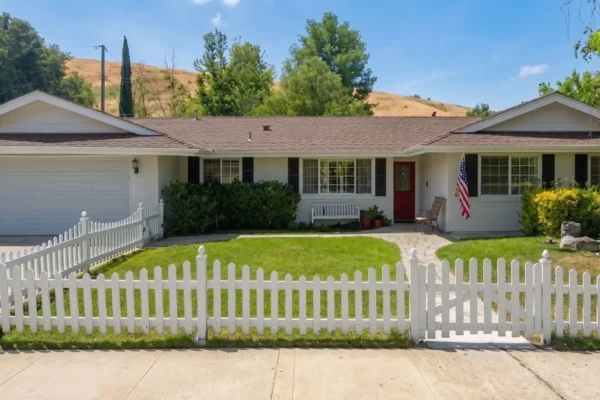
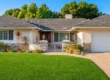
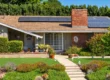
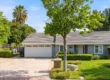
The Norma J’s Home for the Elderly is a 6-bed assisted living home at 142 W Columbia Road in Thousand Oaks, California, Ventura County.
The home is a small board and care residence – California’s smallest licensed RCFE category – serving seniors who need help with daily activities but remain mostly mobile and independent. Its location is one of the property’s defining features: the home sits roughly half a mile from Los Robles Hospital and Medical Center, the primary acute-care hospital serving the Conejo Valley.
Facility Snapshot
| Detail | Value |
| Address | 142 W Columbia Road, Thousand Oaks, CA 91360 |
| County | Ventura |
| Licensed Capacity | 6 residents |
| Facility Type | Residential Care for the Elderly (RCFE) / Board and Care |
| Distance to Los Robles Hospital | 0.6 miles |
| Phone | (818) 422-7667 |
What Type of Facility Is The Norma J's Home for the Elderly?
The Norma J’s is a six-bed board and care home – California’s term for a small RCFE operating from a single-family residence rather than an institutional building. Six residents, one or two caregivers per shift, and the daily rhythm of a home rather than a campus.
For families weighing options, the differences between a six-bed home and a 100-bed campus are real. A small home means caregivers know each resident by name, history, medication schedule, and personal patterns within the first week. There are no shift handoffs across multiple wings, no rotation among dozens of residents, and no hotel-style logistics. The trade-off is amenities: a small home cannot offer a full activities calendar, an on-site beautician, or a transportation fleet. What it offers is consistency.
What Services Does the Home Provide?
Daily Care
The home supports residents with the standard range of board and care services. According to senior housing directories, the home cares for residents who need help with routine activities such as meal preparation, bathing, and housekeeping, but who remain mostly mobile and independent.
This typically includes:
- Meal preparation and shared dining
- Assistance with bathing, dressing, and grooming
- Housekeeping and laundry
- Medication management and reminders
- 24-hour staff supervision
- Coordination with outside healthcare providers
Setting
The home is in a residential neighborhood with a generally affluent demographic – median household income around $91,000 in the surrounding area. Pharmacies, retail, and houses of worship are within walking distance. Several churches are within four miles, including Chinese Christian Church, Bethany Baptist Church, United Methodist Church, and Temple Etz Chaim.
Why Does the Hospital Proximity Matter?
The home’s distance to Los Robles Hospital and Medical Center – just 0.6 miles – is one of the practical advantages families notice. For an older adult with chronic conditions or fall risk, having an emergency department within a five-minute drive matters in two ways.
First, in a genuine emergency, response time is shorter and family members can join their relative at the hospital quickly. Second, for non-emergency follow-ups – routine specialist appointments, lab work, imaging studies that need to be done in person – the trip is short enough to be manageable for a senior with limited mobility.
Most board and care homes in California are not located this close to a major acute-care hospital. The proximity is part of why families choose this property when their parent has a more medically complex profile or is recovering from a recent hospitalization.
Routine Physician Visits at the Home
Doctor2me physicians visit residents directly at the home for routine checkups, chronic condition follow-ups, and urgent issues that don’t warrant an ER trip. Same-day or scheduled visits cover primary care work, alongside the LIC 602 evaluations admission requires.
For older adults with limited mobility, in-home physician visits remove the strain of clinic transportation – particularly relevant when the resident is recovering from a procedure or managing a condition that makes travel difficult. Families can pick a specific physician from the Doctor2me provider directory when continuity with a known doctor matters.
How Is Hearing Loss Addressed for Older Residents?
Hearing loss affects roughly two-thirds of adults over 70, and untreated hearing loss in seniors is increasingly linked in medical literature to accelerated cognitive decline, social withdrawal, and falls. For residents in board and care homes, this matters – a senior who cannot hear conversations at the dining table withdraws from the social engagement that the small-home model is built around.
Alpha Hearing Aid Services in Northridge, about 25 miles from Thousand Oaks, is one example of a hearing healthcare practice serving the broader Conejo Valley and San Fernando Valley region. The practice provides hearing assessments, hearing aid fittings, and ongoing hearing aid support, including newer wireless devices from Starkey Hearing Technologies. For families noticing hearing changes in a parent at The Norma J’s, a referral for a proper hearing evaluation is often a low-friction intervention with outsized benefits for daily quality of life.
What Happens When Care Needs Progress to End-of-Life?
For residents whose condition progresses to terminal stages, hospice care can typically be delivered in place at the RCFE rather than requiring a transfer to an inpatient hospice facility. For families in a small board and care home, this means the resident can remain in familiar surroundings during a difficult time.
Hospice teams handle pain management, IV needs, wound care, oxygen therapy, and feeding tube support, working alongside the home’s regular caregivers. Some hospice agencies, including LIEM Hospice, offer telehealth consultations for hospice care alongside their in-person services, making it possible for families and the care team to consult on symptom management without scheduling another visitor into the resident’s routine.
What About Property and Estate Logistics?
Moving a parent into assisted living rarely happens in isolation. Most placements run alongside decisions about the parent’s existing home – clearing it out, deciding whether to sell, transferring property, navigating estate paperwork. These threads tend to surface later than they should, often after the move-in date is set, and they pull family attention away from the care decision itself.
Specialists such as Senior Home Transitional Services work with families on the property and estate side of the move – the logistics that sit alongside the care choice but rarely line up neatly with the care timeline. Working with someone on this track lets the family stay focused on the resident rather than juggling two complex transitions in parallel.
Where Is The Norma J's Home for the Elderly?
The home is on West Columbia Road in central Thousand Oaks, in a quiet residential neighborhood. Los Robles Hospital and Medical Center sits 0.6 miles from the home, with Adventist Health Simi Valley about 12 miles east as a secondary acute-care option.
Pharmacies, retail, and grocery access are within walking distance. The CDSS Community Care Licensing Division handles regional inspections of RCFEs through its Ventura Regional Office under Title 22 of the California Code of Regulations.
Families based in Thousand Oaks, Newbury Park, Westlake Village, Camarillo, Agoura Hills, Simi Valley, or Calabasas find the home within easy visiting distance.