This content is for informational purposes only and does not substitute professional medical advice. Always consult a physician for diagnosis and treatment.
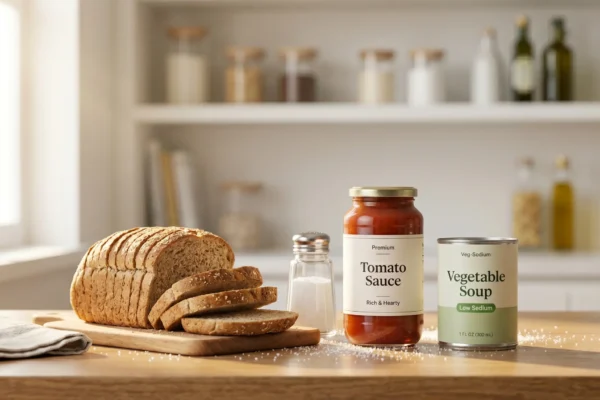
For many people living in the United States, a diagnosis of high blood pressure feels like an immediate sentence to a lifetime of bland, unseasoned food. The traditional advice has always been to “put down the salt shaker,” but as we move through 2026, medical research shows that the shaker is rarely the primary culprit. The real challenge lies in the complex landscape of the modern American food supply, where sodium is used as a hidden tool for preservation and texture.
Understanding how salt and blood pressure interact is the first step toward reclaiming your cardiovascular health. While the physiological process is complex, the goal is simple: reducing the silent burden on your arteries before it leads to long-term damage.
The Modern Hypertension Crisis: More Than Just a Number
Navigating this diagnosis can be a source of significant anxiety. The typical clinical environment, with its long wait times and sterile atmosphere, often causes temporary spikes in readings. When the pressure of a traditional office visit becomes an obstacle to consistent monitoring, turning to Doctor2me can be a helpful way to receive professional guidance in the comfort of your own home. This approach helps ensure that the data collected is a true reflection of your daily health, rather than a reaction to a stressful commute or a crowded waiting room.
The Anatomy of Hidden Salt: Where 75% of Your Sodium Really Comes From
The Bakery Trap: Why Bread is a Top Contributor
Processed Meats and ``Healthy`` Deli Options
The Hidden Load in Canned and Prepared Goods
| Food Category | Average Sodium per Serving (mg) | Percentage of Daily Limit (1,500 mg) |
| Canned Vegetable Soup (1 cup) | 850 – 950 | 63% |
| Store-bought Pizza (1 slice) | 600 – 750 | 50% |
| Salad Dressing (2 tbsp) | 300 – 400 | 26% |
| Flour Tortilla (1 large) | 400 – 500 | 33% |
| Vegetable Juice (8 oz) | 600 – 700 | 46% |
Beyond Fluid Retention: How Sodium Impacts the Body
Excess sodium can lead to:
- Vascular Stiffness: Over time, high salt intake reduces the elasticity of the arteries, making them less able to expand and contract with each heartbeat.
- Kidney Strain: The kidneys must work overtime to filter out excess sodium, which can eventually lead to decreased function.
- Immune Activation: Recent studies in 2025 indicate that high salt concentrations may trigger certain immune cells to become overactive, contributing to systemic inflammation.
The Myth of Specialty Salts: Himalayan vs. Table Salt
The Mayo Clinic clarifies that by weight, these specialty salts contain roughly the same amount of sodium as standard table salt. For someone looking for foods for high blood pressure, the focus should remain on total sodium reduction rather than the color or origin of the crystals.
Evidence-Based Management: The 2026 DASH Protocol
The Power of Potassium
However, for many individuals living in urban food deserts or those who no longer drive, getting to a store that carries fresh, high-quality produce can be a significant hurdle. When the lack of reliable transportation prevents you from accessing the fresh ingredients needed for a heart-healthy diet, MediZoom Transportation, LLC provides a dependable way to reach specialized markets and grocery stores. This ensures that a lack of mobility does not become a barrier to proper nutrition.
Smart Shopping: Navigating FDA Labeling
When reviewing labels, use these benchmarks to stay within safe limits:
- Check the Serving Size: Often, a single package contains two or more servings, doubling the sodium you think you are consuming.
- Look for “No Salt Added”: This is the gold standard for canned beans, vegetables, and tomatoes.
- Beware of “Reduced Sodium”: This only means the product has 25% less salt than the original version. If the original was extremely high, the “reduced” version might still be unsafe for those with hypertension.
Home Safety and Blood Pressure Fluctuations
In these instances, maintaining a secure home environment is essential for peace of mind. For those who worry about losing their balance or feeling unsteady on their feet during the day, programs like Call Before You Fall provide professional home safety reviews. This extra layer of precaution helps ensure that your living space remains a safe place to focus on your recovery and long-term wellness.
Practical Kitchen Swaps for Flavor Without the Salt
- Instead of Soy Sauce: Use coconut aminos or a splash of balsamic vinegar.
- Instead of Garlic Salt: Use fresh garlic or garlic powder.
- Instead of Canned Broth: Use a “low-sodium” version and enhance it with fresh herbs like rosemary or thyme.
- Instead of Marinades: Use citrus juices – lemon, lime, and orange juice provide a bright acidity that mimics the “bite” of salt.
Conclusion: A Proactive Path to Heart Longevity
In 2026, managing your health is a collaborative effort. Whether you are using Doctor2me to monitor your progress without the stress of a clinic visit, or making small but powerful changes in your grocery list, every step counts. A heart-healthy lifestyle is built on awareness, and by mastering the art of spotting hidden salts, you are paving the way for a longer, more vibrant future.
Frequently Asked Questions
Which common pantry foods are the highest sources of hidden sodium?
While many blame the salt shaker, most excess sodium comes from processed staples like commercial breads, deli meats, and canned soups. Manufacturers use these hidden salts for preservation and texture, so it is essential to check labels on even seemingly “healthy” items like salad dressings or flour tortillas.
How exactly does high sodium intake drive hypertension?
Excess sodium causes the body to retain extra fluid, which increases the total volume of blood flowing through your vascular system. This higher volume places consistent stress on artery walls, eventually leading to the arterial stiffness and inflammation associated with chronic hypertension blood pressure levels.
Why isn’t removing the salt shaker enough to manage my salt and blood pressure?
Research indicates that approximately 75% of sodium in the American diet is added during food manufacturing rather than at the dinner table. To effectively manage salt intake and blood pressure, you must look beyond the shaker and address the high sodium levels hidden in pre-packaged, restaurant, and convenience foods.
What are the most effective foods for high blood pressure reduction?
The DASH protocol emphasizes a diet rich in potassium, which helps the kidneys flush out excess salt and relaxes blood vessel tension. Incorporating leafy greens, bananas, avocados, and fatty fish provides the essential minerals needed to naturally regulate sodium and high blood pressure.
How can I identify high sodium products using the 2026 FDA labels?
Look for the updated “Front-of-Package” (FOP) icons which now clearly highlight items with excessive salt levels at a glance. Focus on products labeled “Low Sodium” (140 mg or less) or “No Salt Added” to ensure you are staying within the recommended heart-healthy daily limit of 1,500 mg.
Sources Used
- PubMed Central: Sodium Intake and Hypertension
- CDC: Sodium Facts and Guidance
- FDA : Sodium Reduction Strategy
- WHO: Sodium Reduction Fact Sheet
- MedBoundTimes: Hidden Sodium in Foods
- Food Navigator: Cut salt to cut obesity