This content is for informational purposes only and does not substitute professional medical advice. Always consult a physician for diagnosis and treatment.
Did you touch poison oak on the trail? You must wash the exposed skin with cool soapy water immediately. Do this within two hours to prevent a severe skin rash. This simple step removes the harmful plant oil very effectively.
Hiking trails near Pasadena or Thousand Oaks offer beautiful scenery. But these sunny California paths hide very invisible natural dangers. The same applies to dry outdoor trails around Scottsdale. You might brush against a toxic wild plant by accident.
The resulting skin rash causes intense itching and painful blisters. You need to know exactly how to manage this skin reaction. We will cover plant identification, immediate steps, and safe home relief. You will also learn when to schedule an on demand house call.
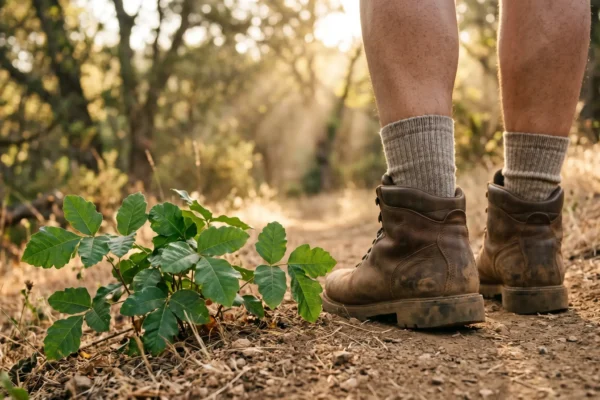
How Do You Identify Hazardous Plants on the Trail?
Recognizing Poison Oak
They feature scalloped edges that look like regular oak leaves. You will often see this plant on sunny coastal trails. Stay in the center of the path to avoid it.
Spotting Poison Ivy
These leaves usually have smooth edges or sharp pointed tips. The plant often trails along the ground like a green carpet. It can also climb aggressively up tall tree trunks.
Identifying Poison Sumac
You will see 7 to 13 leaves on a single stem. The leaves have smooth edges and pointed tips. Avoid touching any unfamiliar plants in wet marshy areas.
Where These Hazardous Plants Hide
- Under large shady oak trees in deep forests.
- Along the very edge of narrow dirt hiking paths.
- Near small outdoor streams and muddy river banks.
- Wrapped tightly around thick wooden trail fence posts.
| Plant Name | Typical Growth Region | Visual Leaf Details | Plant Type |
| Poison Oak | Western states | Three leaves, scalloped edges | Shrub or vine |
| Poison Ivy | Eastern states | Three leaves, pointed tips | Ground vine |
| Poison Sumac | Humid wetlands | 7 to 13 leaves per stem | Tall shrub |
Why Does Urushiol Oil Cause a Skin Rash?
How the Toxic Oil Works
Your immune system identifies this oil as a dangerous invader. It fiercely attacks the oil to protect your body cells. This microscopic cellular battle causes the visible itchy skin rash.
The Typical Incubation Period
Then, small weeping blisters begin to develop very rapidly. This creates intensely itchy skin for several long weeks. You must be patient during this long healing process.
The Extreme Durability of Urushiol
You must handle contaminated outdoor items with great care. Touching old hiking boots can cause a brand new rash. Proper cleaning is absolutely essential for your daily safety.
| Phase | Timeframe | Physical Symptoms Observed |
| Incubation | 24 to 72 hours | No visible signs, oil absorbs |
| Eruption | Days 3 to 5 | Redness, severe swelling, tight blisters |
| Weeping | Days 6 to 10 | Blisters break and leak clear fluid |
| Healing | Days 11 to 21 | Crust forms, intense itching fades |
What Is the Immediate Action Plan After Exposure?
The Crucial Two-Hour Window
Find a stream or a clean water source right away. Wash the exposed skin area with plenty of cool water. Never use warm or hot water for this specific task.
Correct Skin Washing Techniques
Rub the skin firmly to remove the sticky resin layer. Water alone is not always enough for this important job. Use strong liquid dish soap if you have it available.
Hiking First Aid Kit Essentials
Bring a small pack of specialized oil-removing wet wipes. These are extremely helpful when you lack running trail water. Include a clean washcloth for emergency skin scrubbing outside.
Steps for Emergency Skin Washing
- Locate a source of cool running water immediately.
- Apply a generous amount of strong liquid dish soap.
- Scrub the exposed skin firmly with a clean cloth.
- Rinse the skin completely with fresh cool tap water.
- Dry the skin gently with a clean dry towel.
How Do You Decontaminate Your Hiking Gear Safely?
Washing Dirty Hiking Clothing
Use the highest water level setting available on your machine. Use a very strong laundry detergent for the safest results. Wash these items completely separate from your regular daily laundry.
Cleaning Boots and Trail Equipment
Wipe down your trekking poles and backpack thoroughly with soap. Use strong rubbing alcohol or dish soap for this task. Remember to wipe down your car steering wheel too.
Protecting Your Pets from Oil
When you pet the dog, the oil transfers instantly. You must bathe your pet right away after a hike. Wear thick rubber gloves while you wash your dirty dog.
| Hiking Item | Recommended Cleaning Method | Why This Matters |
| Trail Boots | Scrub with hot soapy water | Boots touch the wild plants first |
| Clothing | Machine wash on heavy cycle | Oil easily transfers to your furniture |
| Poles | Wipe with strong rubbing alcohol | You touch the poles with bare hands |
| Family Dog | Bathe with basic pet shampoo | Pet fur holds the toxic oil perfectly |
How Can You Soothe the Itchy Skin Rash at Home?
Using Simple Cool Compresses
This action quickly reduces localized heat and calms angry skin. Leave the compress on for fifteen minutes at a time. Repeat this process several times throughout the long day.
Soothing Colloidal Oatmeal Baths
Soak your body for twenty minutes to achieve maximum relief. Gently pat your sensitive skin dry with a clean towel. Never rub the towel aggressively against your weeping skin blisters.
Safe Topical Skin Treatments
Avoid heavy greasy ointments that trap body heat inside completely. You can take a basic allergy pill at night time. The pill makes you sleepy so you can finally rest.
Home Relief Best Practices
- Wear loose cotton clothing over the damaged skin area.
- Keep the ambient temperature in your bedroom very cool.
- Drink plenty of fresh drinking water to stay properly hydrated.
- Apply soothing skin lotion only after the blisters close entirely.
Things to Absolutely Avoid During Recovery
- Do not take hot showers while the rash is developing.
- Do not apply heavy petroleum jelly to weeping open blisters.
- Do not wear tight synthetic clothing over the affected area.
- Do not ignore signs of spreading redness or excessive heat.
Why Is Scratching the Skin Rash So Dangerous?
The Risk of Secondary Infection
A bacterial infection is much worse than a plant rash. It makes the physical healing process much longer and harder. It can also leave permanent ugly scars on your body.
Severe Tissue Damage Scenarios
If an infection becomes massive, you face serious medical trouble. Severe cases with tissue loss might require a specialized clinic. Prevent this by simply leaving your itchy blisters completely alone.
When Should You See a Medical Professional?
Identifying Critical Warning Signs
See a doctor if the rash impacts highly sensitive body areas. If the rash covers a huge area, get professional help. If you have severe trouble breathing, call for emergency help.
Signs of a Bacterial Complication
A doctor can prescribe strong oral medical treatments for you. These medicines quickly calm your hyperactive internal immune system down. They significantly reduce the swelling and intense skin itching fast.
If you feel too sick to drive, seek convenient alternatives. You can easily schedule an on demand house call today. A traveling medical professional will treat your severe rash at home.
When to Visit the Emergency Room
- You experience sudden difficulty swallowing your food or drinks.
- Your breathing becomes very shallow or suddenly highly restricted.
- One or both of your eyes swell completely shut fast.
- The severe skin rash covers more than a quarter of your body.
How Do Seasonal Weather Changes Affect Plant Risks?
Spring and Summer Hazards
The toxic oil transfers easily to human skin and clothing. Hiking trails are very crowded during these beautiful warm seasons. You must remain highly vigilant when exploring dense green forests.
Autumn and Winter Deception
The fallen dead leaves still contain highly active toxic oil. In winter, the bare plant stems look like completely harmless sticks. Touching the dormant stems still causes a severe skin rash.
Year-Round Trail Safety Habits
Wear tall hiking socks to completely cover your bare ankles. Long sleeves are a fantastic idea in dense green forests. Staying properly covered is your most reliable daily safety strategy.
| Season | Typical Plant Appearance | Primary Risk Factor |
| Spring | Bright green fresh leaves | High botanical oil production begins |
| Summer | Dense heavy overgrown bushes | Easy transfer to exposed bare legs |
| Autumn | Red or yellow changing leaves | Fallen leaves actively hide the toxic oil |
| Winter | Bare brown woody stems | Dormant sticks look totally harmless outside |
How Can You Prevent Future Skin Rashes?
Pre-Hike Skin Preparation
Carry special oil cleansing wipes in your heavy hiking bag. Use them right away if you touch a bad plant. Plan your hiking route carefully to avoid dense wild vegetation.
Strong Trail Discipline
Do not let them run freely into the deep weeds. If you drop a water bottle, pick it up carefully. Inspect the surrounding ground before you reach your bare hand.
Education and Public Awareness
Always check local trail reports before you start your drive. Rangers often post warnings about heavy poison oak overgrowth. Being fully aware saves you from weeks of pure agony.
| Step | Action Required | Benefit for the Hiker |
| Clothing | Wear long thick pants | Acts as a physical skin shield |
| Creams | Apply heavy barrier lotion | Blocks oil from entering skin |
| Walking | Stay on clear designated paths | Avoids direct plant leaf contact |
| Pets | Keep dogs tightly leashed outside | Stops dogs from collecting toxic oil |
Frequently Asked Questions
How long does a poison oak rash typically last?
A typical skin rash from these poisonous plants lasts between two to three weeks. Severe allergic reactions may take up to a full month to completely heal.
Does scratching a poison ivy rash spread it to other body parts?
Scratching the intensely itchy skin does not spread the rash because the blister fluid lacks urushiol. However, scratching easily breaks the skin barrier and causes a painful secondary bacterial infection.
Can I completely wash off urushiol oil after a long hike?
You can effectively remove the harmful botanical oil by washing the exposed skin within two hours. Always use cool running water and strong liquid dish soap to strip the sticky resin.
Is a poison sumac or poison oak rash contagious to other people?
The physical skin reaction itself is never contagious to your friends or family members. You only get the rash by directly touching active plant oil on unwashed hiking gear or clothing.
What is the fastest home treatment for intensely itchy skin?
Applying a simple cool compress and taking a lukewarm colloidal oatmeal bath provide fast natural relief. You can also use over-the-counter drying lotions like calamine to soothe weeping blisters safely.