This content is for informational purposes only and does not substitute professional medical advice. Always consult a physician for diagnosis and treatment.
Tick bites present a real hazard on Santa Monica trails. These bugs carry serious bacterial infections like Lyme disease.Recent estimates suggest that approximately 476,000 people may be diagnosed and treated for Lyme disease each year in the United States. Fast action is your primary defense against severe illness. You must check your skin and remove any attached bugs immediately. This article explains exactly how to protect yourself outdoors.
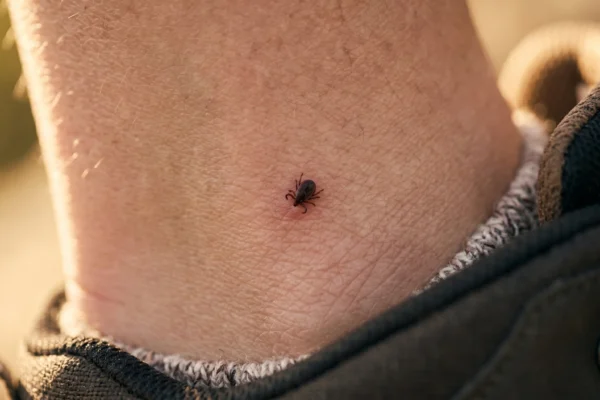
What Types of Bugs Live in the Santa Monica Mountains?
Identifying the Western Black-Legged Tick
Spotting Other Dangerous Local Insects
| Bug Name | Primary Trail Habitat | Main Danger |
| Western Black-Legged | Moist leaf litter | Lyme Disease |
| Pacific Coast | Dry brush areas | Spotted Fevers |
| American Dog | Tall grasses | Bacterial Illness |
How Do These Insects Actually Attack Humans?
The Stealthy Feeding Process
- The bug uses tiny sharp hooks to cut skin.
- It inserts a feeding tube directly into your blood.
- It secretes a cement to stay firmly attached.
- It injects natural numbing agents into your body.
The Danger of Chemical Stress
How Does Local Wildlife Impact Infection Rates?
The Cleansing Power of Western Fence Lizards
The Danger of Trail Rodents
What Are the Early Warning Signs of a Bite?
Spotting the Classic Bullseye Rash
Monitoring for Fever and Fatigue
- Sudden fevers that mimic a summer flu.
- Extreme body fatigue without any heavy exercise.
- Severe joint pain in your knees or elbows.
- Swollen lymph nodes near the bite area.
Why Do Symptoms Overlap With Other Illnesses?
The Confusion With Summer Flu
Tracking Your Ongoing Health Changes
- The exact date you first felt physically tired.
- When your joints start hurting or noticeably swelling.
- Any sudden changes in your normal body temperature.
- The exact trail location where you were hiking.
Are There Other Strange Tick Borne Illnesses?
The Dangers of Alpha-Gal Syndrome
Recognizing Anaplasmosis Warning Signs
How Should You Execute Safe Bug Removal?
Using the Right Extraction Tools
Cleaning the Wound Area Properly
- Always wash your hands thoroughly after insect removal.
- Apply a medical antiseptic directly to the bite mark.
- Save the bug safely in a small sealed bag.
- Monitor the skin area closely for thirty full days.
What Are Your Professional Care Options?
Avoiding Crowded Clinic Waiting Rooms
How Can You Prevent Bites on the Trail?
Wearing Proper Protective Clothing
| Clothing Item | Primary Function | Safe Usage |
| Long Pants | Blocks skin access | Tuck into socks |
| Light Colors | Highlights dark bugs | Wear on all hikes |
| Hiking Boots | Protects from ground | Spray with repellent |
Navigating the Trail Safely
- Tuck your shirt into your pants securely.
- Wear a light-colored hat to protect your scalp.
- Tie long hair back tightly during your hike.
- Stay directly in the center of the cleared trail.
Trail maintenance crews work hard to clear paths. You should always respect their hard work. Never wander into uncleared wild brush alone. The center of the trail is your safest zone. Do not brush against tall weeds or bushes.
What Are the Essential Post-Hike Rules?
Heat Treating Your Hiking Clothes
Take a very warm shower within two hours. Showering washes away unattached bugs from your body. It also gives you time for a skin check. Water removes bugs that are still crawling. Prompt action keeps you much safer at home.
Performing a Full Body Check
- Check your scalp because bugs hide in dark hair.
- Inspect your armpits because they offer warm shelter.
- Examine your waistline where tight clothes trap bugs.
- Look behind your knees where hidden skin folds exist.
How Can You Protect Your Pets and Yard?
Checking Dogs After Every Walk
Securing Your Home Property
- Keep your lawn grass cut very short always.
- Remove old leaf piles from your garden corners.
- Create a gravel border near any wild trees.
- Remove old wood piles where wild mice hide.
Mice bring dangerous diseases directly to your yard. Harvard Health Publishing offers great detailed advice online. Stay informed about local risks in your area. Knowledge is your most powerful tool against illness. Enjoy the beautiful California mountains safely this year.
Frequently Asked Questions
Do ticks in the Santa Monica Mountains carry Lyme disease?
Yes, the western black-legged tick, commonly known as a deer tick, carries Lyme disease in this region. While local infection rates are lower than on the East Coast, the risk remains very real during mountain hikes.
What is the safest way to remove an attached bug?
You should extract the insect immediately using a specialized tick removal tool or sharp tweezers. Grasp the bug as close to your skin as possible and pull straight up without twisting.
Does every infected person get the classic bullseye rash?
No, many people never develop this specific skin rash after contracting a tick borne illness. You must also watch closely for other early signs of a tick bite, including sudden fevers and extreme fatigue.
How long does it take for a bug to transmit bacteria?
These insects typically need to stay attached for 24 to 36 hours to transmit bacteria into your blood. Finding and removing them quickly is your best defense against severe joint and nerve complications.
When should I seek professional medical treatment?
You should seek immediate clinical care if you develop a fever, rash, or severe muscle aches. To avoid crowded waiting rooms, you can schedule an on demand house call for a private medical evaluation.