This content is for informational purposes only and does not substitute professional medical advice. Always consult a physician for diagnosis and treatment.
Seniors living in Conejo Valley can successfully safeguard their cardiovascular health by utilizing modern tools for AFib monitoring at home directly from the comfort of their residences. By combining easy-to-use wearable sensors with the specialized guidance of local physicians, older adults can preserve their active lifestyles while gathering vital heart metrics.
This proactive methodology ensures early intervention and highly customized care plans for managing irregular rhythms without requiring constant trips to clinical facilities. Implementing these tech-driven solutions allows vulnerable individuals to stay safe, active, and fully connected to their healthcare networks.
Maintaining independence while navigating aging requires reliable resources that minimize stress and logistical challenges. Modern home tracking setups empower individuals in Westlake Village to stay fully informed about their daily health status. These tools offer continuous support, providing a safety net for those managing chronic conditions independently.
Why Is Detecting AFib at Home Essential for Older Adults?
Because this cardiac condition often occurs in brief, unpredictable episodes, standard office examinations frequently miss the underlying patterns entirely. Actively detecting AFib at home addresses this diagnostic limitation by recording heart performance during normal daily activities.
- Capturing Transient Events: Records irregular rhythms that happen outside clinical hours, ensuring that short-lived episodes of arrhythmia do not go undetected during standard evaluations.
- Reducing Stroke Risks: Helps identify dangerous patterns before severe complications develop, giving physicians the window needed to implement preventive clinical strategies.
- Providing Objective Evidence: Replaces vague symptom diaries with clear, empirical data charts that display exact heart rate variations during symptomatic windows.
- Enhancing Peace of Mind: Lowers daily anxiety for both older adults and their family caregivers by offering clear visibility into cardiovascular performance.
- Optimizing Lifestyle Planning: Allows seniors to modify activities based on real-time cardiac feedback, helping them exercise and rest with total confidence.
When an individual experiences sudden weakness, unexpected fluttering, or shortness of breath, utilizing a home heart rate monitor Afib tracker provides immediate clarity. Having these digital records allows cardiac specialists to adjust wellness approaches based on precise, real-world data points.
For local families seeking general household support, independent services like 911 AM PM Home Health care can assist with daily routines and lifestyle organization. It remains vital to note that primary regional hospitals do not coordinate or share data systems with private home care entities, leaving data management responsibilities with the family.
What Is the Best Home Monitor for AFib Management?
Comparing the features of these tracking tools helps families select the ideal option for their specific home environment. Making an informed choice ensures long-term compliance and accurate data collection.
| Monitoring Option | Observation Window | Key Advantage | Optimal User Profile |
| Continuous Patch | 7 to 14 days | Captures infrequent, asymptomatic episodes automatically. | Seniors wanting hands-off tracking. |
| Holter Monitor | 24 to 48 hours | Comprehensive recording of every single heartbeat. | Patients with daily, frequent symptoms. |
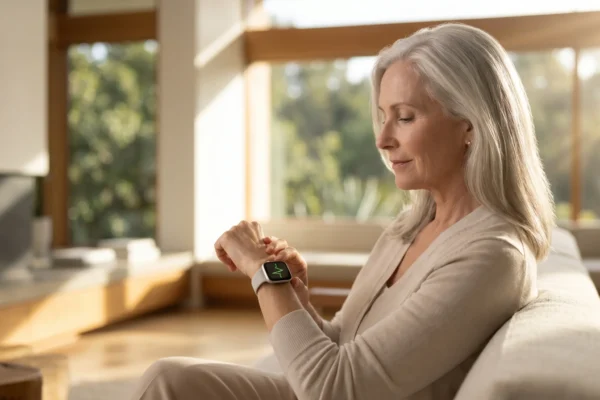
| Smartwatch | Ongoing lifestyle check | Passive pulse notifications during rest and exercise. | Tech-savvy adults focused on wellness. |
To identify the best home monitor for AFib management, users must evaluate the balance between continuous observation and manual effort. A continuous home heart rhythm monitor attached directly to the skin operates seamlessly in the background, making it perfect for individuals prone to silent symptoms.
As detailed in recent clinical studies on wearable medical sensors, these non-invasive patches collect detailed cardiovascular trends over multiple days, providing a thorough overview of an individual’s cardiac health.
- Skin-Friendly Adhesives: Minimizes skin irritation and discomfort during prolonged wear periods, which is vital for maintaining fragile geriatric skin integrity.
- Waterproof Construction: Permits normal showering and light exercise without disrupting continuous data collection or loosening the device attachment.
- Wireless Data Syncing: Forwards collected metrics automatically to secure digital applications, allowing family members to view updates seamlessly.
- Battery Longevity: Ensures uninterrupted tracking over multiple consecutive days without requiring frequent device recharges or manual battery replacements.
Which Clinical Advancements Help Seniors Monitor Heart Rhythm at Home?
For example, Pulsed Field Ablation has become a preferred, non-thermal technique to address irregular heartbeats by applying targeted electrical fields rather than extreme thermal energy. Peer-reviewed research published in the PMC Journal of Medicine underscores how this specific technique preserves delicate surrounding tissues, substantially lowering procedural risks for senior patients.
- Rapid Treatment Times: Reduces the overall duration of corrective cardiac procedures, minimizing the time a senior spends under sedation.
- Tissue-Selective Precision: Avoids unintended damage to adjacent nerves or esophageal structures by focusing exclusively on targeted cardiac cells.
- Faster Recovery Cycles: Allows older adults to return home and resume normal activities quickly, reducing hospital stay durations significantly.
- High Long-Term Success Rates: Provides lasting stabilization for persistent arrhythmia symptoms, improving overall quality of life for aging individuals.
In conjunction with hospital advancements, portable mobile devices allow individuals to monitor heart rhythm at home with exceptional clinical precision. Many older adults prefer utilizing compact, handheld systems to record an immediate electrocardiogram strip whenever an unusual physical sensation arises.
When families look into device acquisition or wonder how a personal device like KardiaMobile is typically obtained, physicians generally advise purchasing the equipment directly from retail platforms to ensure immediate access.
If an unexpected cardiac symptom causes sudden worry at home, utilizing an on-demand medical service like Doctor2me brings a qualified professional directly to the residence, bypassing the stress of emergency rooms.
Where Can Families Find Local Cardiac Care in Conejo Valley?
Navigating the local medical ecosystem effectively enables families to construct a highly reliable health support framework. This local expertise bridges the gap between home-based tracking and advanced hospital-level clinical interventions.
- Consulting Local Centers: Review treatment options at advanced centers like Los Robles Regional Medical Center which features specialized arrhythmia clinics.
- Compiling Electronic Logs: Organize all downloaded PDF charts and smartphone readings before scheduled clinical visits to maximize your appointment efficiency.
- Defining Family Protocols: Establish clear steps for caregivers to follow when a home device triggers an alert or registers an unusual tracking error.
- Requesting Target Metrics: Ask your cardiologist for specific heart rate thresholds and rhythm reading parameters that warrant immediate medical attention.
To complement expert medical oversight, some families incorporate private assistance from agencies like XL Care Home Health Agency to help with general physical mobility and daily lifestyle needs.
It is essential to recognize that primary hospital networks do not maintain corporate partnerships or integrated data records with independent home care providers. Ultimately, blending modern home tools with exceptional local medical expertise allows Conejo Valley seniors to navigate arrhythmia challenges with complete safety and confidence.
Final Thoughts: Embracing Proactive Heart Health
By combining the power of modern personal health devices with the exceptional clinical expertise found right here in our community, managing irregular rhythms becomes a clear, manageable process.
Staying proactive with your cardiac data allows you to focus on what truly matters: enjoying your independence, staying active, and living your golden years with complete peace of mind.
Frequently Asked Questions
How can seniors effectively start detecting AFib at home?
Older adults can log irregular heartbeats by using a specialized home heart rate monitor AFib device or an on-demand smartphone sensor. These tools allow individuals to capture real-time electrocardiogram tracings during unexpected episodes of weakness, dizziness, or palpitations. Documenting these transient events provides local electrophysiologists with vital data to accurately evaluate your overall cardiac health.
What features define the best home monitor for AFib management?
The best home monitor for AFib depends on whether a patient requires continuous tracking or symptomatic, on-demand readings. Continuous ECG patches are ideal for hands-off data collection because they automatically record cardiac performance over several days without user intervention. Handheld systems are highly effective for active seniors who want to immediately record a 30-second strip the moment an irregular rhythm symptom surfaces.
How does a continuous home heart rhythm monitor differ from a smartwatch?
A medical-grade home heart rhythm monitor, such as a wearable skin patch, provides a continuous, comprehensive data stream analysis over an extended observation window. While smartwatches offer convenient background pulse notifications during daily rest and exercise, they typically provide intermittent checks rather than a continuous clinical ECG. For precise diagnostic tracking, physicians prefer dedicated cardiac tracking equipment to capture elusive, paroxysmal episodes.
What steps should Conejo Valley residents take if an Afib home monitor flags an irregular rhythm?
If your AFib home monitor alerts you to an irregular pattern, you should download the recorded PDF log and share it directly with your cardiologist. Residents in Westlake Village can consult specialists at leading regional facilities like Los Robles Regional Medical Center for advanced evaluations and options like Pulsed Field Ablation. For sudden, non-emergency concerns that cause anxiety at home, utilizing an on-demand medical visit can provide professional clinical evaluations directly in your residence.