This content is for informational purposes only and does not substitute professional medical advice. Always consult a physician for diagnosis and treatment.
The bond with a dog is more than just friendship; it is a central part of many Americans’ lives. We share our spaces, our routines, and our affection with our pets. However, from a medical standpoint, this closeness requires a “bio-security” approach.
While rare, zoonotic infections—diseases that pass from animals to humans—are a real concern. The most serious among these is sepsis. Understanding septic health is about being proactive, not fearful. Whether it’s a “kiss” from your dog or a minor scratch, knowing how to spot symptoms of blood infection can save lives.
What is Sepsis? The Body’s Emergency Response
When Inflammation Becomes a Threat
Sepsis in Dogs: What Owners Should Watch For
Your dog’s health directly affects your household’s safety. If a dog has an untreated infection, they are more likely to carry dangerous bacteria.
Key Symptoms in Canines:
-
Sepsis Body Temperature: A dog’s temperature should be around 101–102.5°F. If it’s much higher (fever) or dangerously low (hypothermia), it’s a red flag.
-
Lethargy: Your dog seems unusually weak or won’t get up.
-
Gum Changes: Dark red or “brick-colored” gums.
-
Blood Issues: Sepsis is often the cause of blood clots in dogs, which can block oxygen from reaching their organs.
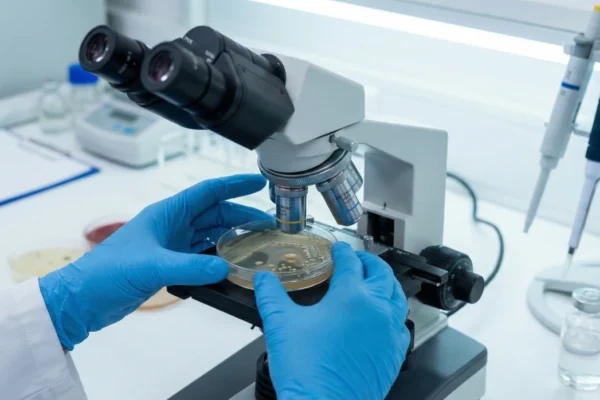
Sepsis in dogs causes often include untreated dental disease, infected wounds, or internal issues like peritonitis. To get a clear picture of what’s happening, providers often rely on Sonic Diagnostic Laboratory for rapid blood panels to detect bacteria before it spreads.
The ``Dog Lick`` Risk: Fact vs. Fiction
Understanding Dog Lick Sepsis
Most people never get sick from a dog lick. However, if the bacteria enter your system through broken skin or mucous membranes, it can cause a severe septic in humans reaction. This is known as dog lick sepsis.
For patients who have existing health conditions, Dr. Ronald Rigor recommends a higher level of caution. A lick on an open scratch or a bite that breaks the skin can allow these bacteria to move from the pet’s mouth into your bloodstream, leading to a systemic blood infection in dogs-to-human transmission.
How to Spot Sepsis in Humans
The Warning Signs:
-
Cutaneous Signs: Look for a cause of small red spots on skin. If these spots don’t turn white when you press on them (non-blanching), it could mean small blood vessels are bursting.
-
Blood Pressure Issues: A sudden drop in vitality often relates to small blood pressure readings. When pressure is too low, your organs can’t function.
-
Clotting: Sepsis is the cause of blood clots that can restrict circulation to your fingers, toes, and organs.
If you have a wound that won’t heal or looks infected, the team at GotWound.com specializes in advanced wound care to stop the infection before it enters the blood.
Bio-Security at Home: A Hygiene Blueprint
Practical Protocols:
-
Protect Your Skin: Never let a dog lick a healing wound. Use medical-grade dressings from GotWound.com to keep injuries sealed.
-
Diagnostic Testing: If you feel “off” after a dog bite or scratch, getting a blood culture through Sonic Diagnostic Laboratory can identify pathogens early.
-
Consult the Experts: For long-term health planning in a multi-pet home, doctors like Rebecca Cook M.D. can help you understand your specific risk factors.
-
Professional Oversight: If you are recovering from a previous illness, having a physician like Dr. Ronald Rigor monitor your immune health is vital.

Life After Septic Shock
Post-Sepsis Syndrome (PSS):
Many survivors experience:
-
Extreme muscle pain and fatigue.
-
Difficulty sleeping or concentrating (“brain fog”).
-
Anxiety or PTSD.
Because sepsis impacts the entire body, recovery requires a multi-disciplinary approach. Doctor2me connects you with specialists like Rebecca Cook M.D. and Dr. Ronald Rigor who can manage the long-term cardiovascular and immune effects of the illness.
How Doctor2me Protects Your Family
At Doctor2me, we believe medical care should be as mobile as you are. We bring the clinic to your door.
If you’re concerned about a skin infection, GotWound.com provides the expertise to heal it. If you need lab work, Sonic Diagnostic Laboratory ensures your results are fast and accurate. For comprehensive medical management, our network includes top-tier physicians like Dr. Ronald Rigor and Rebecca Cook M.D., ensuring that you and your pets can live together safely.
Frequently Asked Questions
Can a healthy dog give me sepsis?
Yes. Dogs carry bacteria naturally that don’t make them sick but can be dangerous to humans if they enter the blood.
What should I do if my dog bites me?
Wash the wound immediately with soap and water. Contact GotWound.com for professional care, and consider a diagnostic test from Sonic Diagnostic Laboratory to rule out infection.
Is sepsis always fatal?
No, but it is a medical emergency. The risk of death by sepsis is significantly reduced with early detection and the right antibiotic treatment.
What causes those “red spots” on the skin?
A cause of small red spots on skin during an illness can be petechiae, which are tiny hemorrhages. This is a sign that an infection is affecting your blood’s ability to clot properly.
Who is at the highest risk for dog lick sepsis?
People with weakened immune systems, those without a spleen, or those with chronic liver issues should be extra cautious, as recommended by Dr. Ronald Rigor.