This content is for informational purposes only and does not substitute professional medical advice. Always consult a physician for diagnosis and treatment.
Glaucoma is a group of eye diseases that slowly damage the optic nerve, often because of high pressure inside the eye. It is called the silent thief of sight because it usually has no early warning signs. Regular eye-pressure checks are the best way for seniors to catch it early and protect their vision.
If it has been a while since your last eye exam, do not wait. Finding high eye pressure early can save your sight, and a doctor can help you set up the right checkups and care.
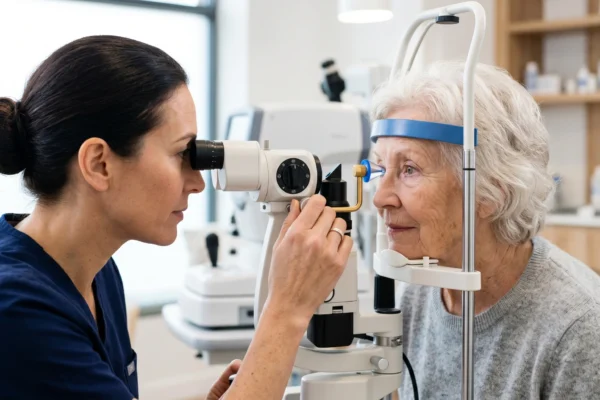
What Glaucoma Is and Why It Is Called Silent
Here is the hopeful side. There is no cure for glaucoma yet, but catching it early changes everything. When the disease is found before it harms your sight, treatment can usually preserve your vision and keep daily life normal. That is why eye doctors urge older adults not to skip routine exams, even when their eyes feel perfectly fine.
How High Eye Pressure Damages Sight
Signs Eye Pressure Is High
What Causes High Eye Pressure
How Fluid Builds Up in the Eye
Common Reasons for Increased Eye Pressure
Other Risk Factors
Why Seniors Need Regular Eye-Pressure Checks
Who Is at Higher Risk
What Happens at an Eye Exam
How Glaucoma Is Treated
Eye Drops and Medicine
Laser and Eye Surgery for Glaucoma
Types of Glaucoma to Know
Open-Angle Glaucoma
Angle-Closure Glaucoma
Secondary and Normal-Tension Glaucoma
Protecting Your Vision and When to See a Doctor
- Keep your blood pressure and blood sugar in a healthy range.
- Stay physically active, but ask your doctor about any activities that can raise eye pressure.
- Do not smoke, and protect your eyes from injury with safety glasses when needed.
- Take your eye drops exactly as prescribed, every single day.
- Keep all follow-up eye exams and regular checkups, even when your vision feels fine.
Getting care should be easy, not stressful. A home-visit doctor can check your blood pressure, review medicines that can raise eye pressure (like steroids), and help you coordinate your eye care. You can choose your own doctor and have them come to your home, often the same day, with no waiting room and no lines. And if you ever have sudden eye pain, nausea, or halos around lights, get medical help right away, because that can be an eye emergency.
Frequently Asked Questions
What are the main causes of high eye pressure?
High eye pressure usually happens when the fluid in your eye (aqueous humor) cannot drain well, so it builds up. Poor drainage, the eye making too much fluid, past eye injuries, and certain medicines like steroids can all raise it. In many people, more than one of these reasons for increased eye pressure is at work.
What is the normal eye pressure for a 70-year-old?
Normal eye pressure is often given as roughly 12 to 22 mmHg, and that range applies to most adults, including those in their 70s. But “normal” varies from person to person. Some people get glaucoma at normal pressure, so your eye doctor looks at your numbers along with the health of your optic nerve.
Do most people with glaucoma have high eye pressure?
High intraocular pressure is the biggest risk factor, but not everyone with glaucoma has it. Some people develop normal-tension glaucoma, where pressure stays in the normal range. Others have high pressure for years and never get glaucoma, which is why an exam checks the optic nerve, not just pressure.
Does glaucoma get worse as you get older?
Risk rises with age, and about 10% of people age 75 and older have glaucoma. Without treatment, the disease slowly gets worse over time. The good news is that treatment can slow or stop it, especially when it is caught early.
How can I reduce the pressure in my eyes?
Eye pressure is usually lowered with daily prescription eye drops, and sometimes laser treatment or surgery. Healthy habits, like staying active, keeping blood pressure under control, and not smoking, also support your eye health. Always follow the plan your eye doctor gives you.
How common is glaucoma in people over 70?
Glaucoma gets more common with age. Experts estimate that about 1 in 10 people age 75 and older have it, and roughly 3 million Americans of all ages live with glaucoma. Many do not know it, since early glaucoma has no symptoms.