This content is for informational purposes only and does not substitute professional medical advice. Always consult a physician for diagnosis and treatment.
Osteoporosis is a disease that makes bones thin, weak, and easy to break. It is common in older adults and often has no symptoms until a bone snaps. The good news is that you can act. A simple bone mineral density test can spot the problem early, and the right food, exercise, and care can help you improve bone density and avoid painful breaks.
If you are worried about your bones or have already had a fall, you do not need to sit in a waiting room to get answers. With Doctor2me, you can choose a doctor for a home visit, review your risk in private, and build a plan that fits your life.
What Is Osteoporosis?
Osteoporosis and Aging
Why Bones Get Weaker With Age
Who Is Most at Risk?
- Being a woman, especially after menopause
- Being age 65 or older
- A family history of osteoporosis or broken bones
- A small, thin body frame
- Low calcium and vitamin D over many years
- Smoking or drinking too much alcohol
- Long-term use of steroids or certain other medicines
Having one or more of these does not mean a break is certain. It simply means testing and good, steady habits matter even more for you, starting today rather than later.
Understanding Bone Density Tests
What a Bone Mineral Density Test Measures
Reading Your T-Score
Why Fractures Are So Serious
Common Break Sites
Complications From Osteoporosis
How to Keep Bones Strong
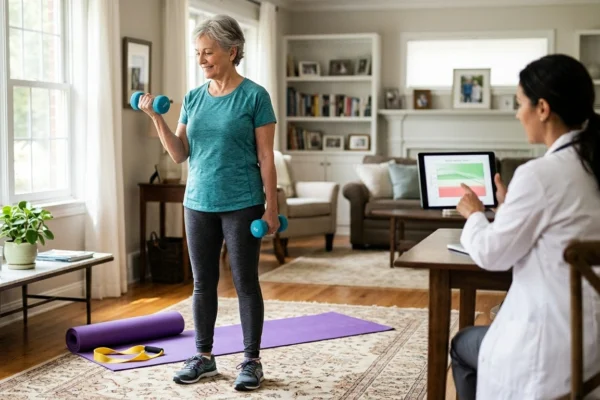
Exercises for Bone Density
- Walking, hiking, climbing stairs, and dancing
- Light weight training for bone density, using dumbbells or resistance bands
- Balance moves like tai chi to lower the risk of falls
Start slowly and check with your doctor first, especially if you already have thin bones. Even a short daily walk helps more than sitting still.
Food, Calcium, and Vitamin D
Medications That Cause Bone Loss
Treatment Beyond Lifestyle
Preventing Falls and Staying Safe
Make the Home Safer
Recovering After a Fall
Frequently Asked Questions
Can a 70-year-old increase bone density?
Yes, to a point. A 70-year-old can slow bone loss and make small gains with weight-bearing exercise, strength training, and enough calcium and vitamin D. Some prescribed medicines can also rebuild bone. The main goal is to keep bones strong and prevent fractures.
What is normal bone density for a 70-year-old?
Bone density is measured by a T-score. A score from -1 to +1 is normal, while -2.5 or lower means osteoporosis. Many healthy 70-year-olds fall somewhere in between. A bone mineral density test gives you your exact number.
Do most 80-year-olds have osteoporosis?
Osteoporosis is common but not certain at 80. Risk rises with age, and many older adults have at least some bone loss. Still, lifestyle, diet, and care make a real difference. A bone scan is the only way to know for sure.
Is osteoporosis normal at age 65?
Some bone loss is normal with aging, but full osteoporosis is a treatable disease, not something to ignore. Women are advised to get a bone mineral density test at 65. Catching low bone density early gives you the best chance to protect yourself.
What exercises are best for bone density?
Weight-bearing and resistance exercises work best. Walking, dancing, stair climbing, and light weight training for bone density all help. Balance exercises like tai chi also lower fall risk. Always check with your doctor before starting a new routine.
Which medications can cause bone loss?
Long-term steroids like prednisone are the most common medications that cause bone loss. Some seizure drugs and certain acid-reflux medicines may also affect bones. Do not stop any prescription on your own, but ask your doctor to review your list.